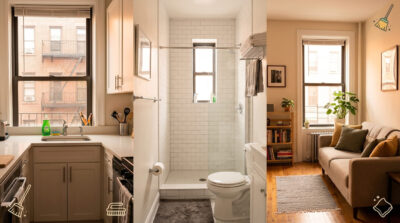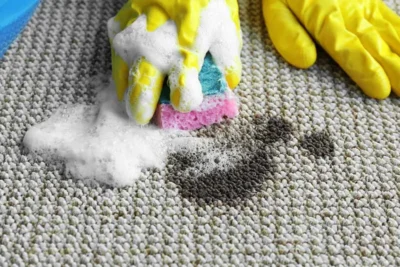
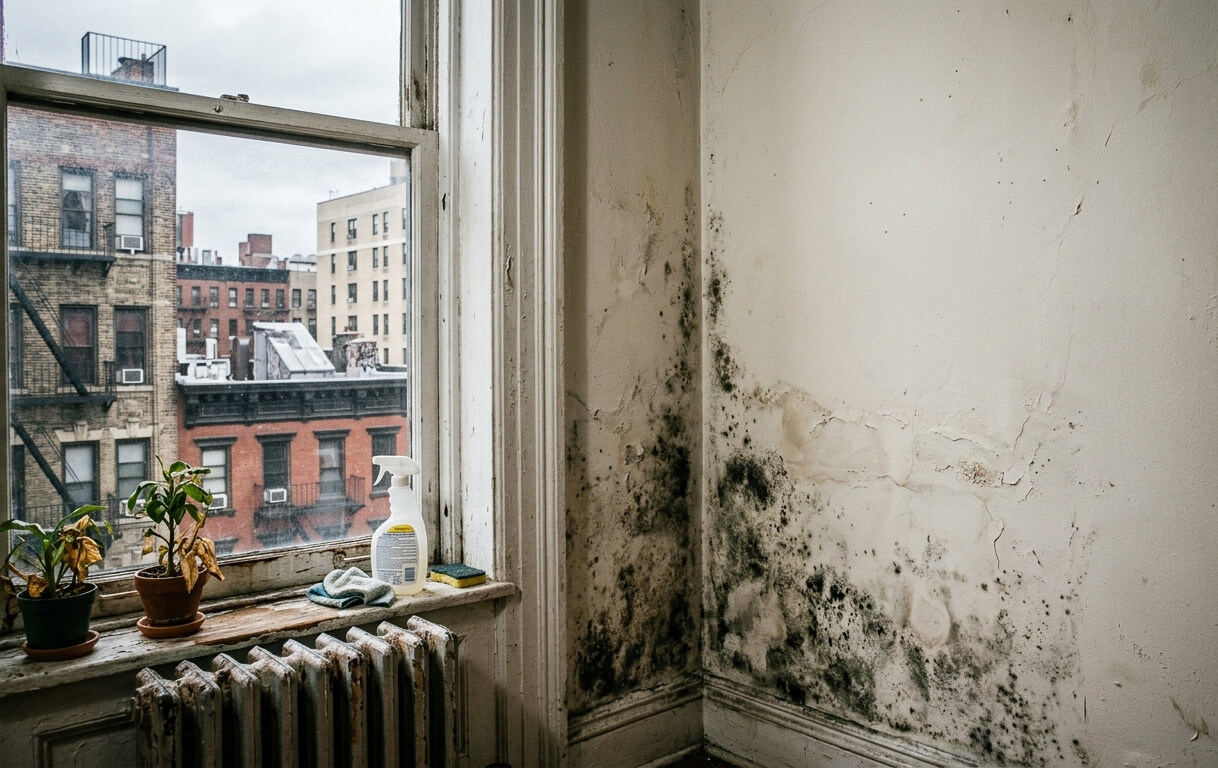
Mold is patient. Almost unnervingly patient. It doesn’t burst through the wall all of a sudden, it actually doesn’t burst through anything. It waits. Quietly. A little moisture here. A poorly ventilated shower there. A kitchen cabinet that always feels just slightly cooler than everything around it. Weeks pass. Maybe months. Then one morning you’re brushing your teeth and notice a tiny gray shadow tucked into the grout.
That’s usually how the conversation starts. Not with panic. Curiosity.
People search “mold in NYC apartment” online thinking mold carefully checks everyone’s housekeeping schedule before deciding where to appear. It doesn’t. Mold couldn’t care less how often you vacuum the living room or fold the laundry. Give it moisture and enough time, and it’ll happily ignore the fact that your countertops sparkle.
Water is really the decision-maker. Everything else is just supporting cast.
New York apartments accidentally create perfect little laboratories for moisture. Tiny bathrooms. Steam radiators. Older plumbing. Kitchens where someone boils pasta three nights a week because honestly, it’s quick, and nobody has the energy for elaborate Tuesday dinners. Add humid summers, tightly sealed windows during winter, neighbors cooking underneath you, above you, beside you — city buildings breathe together in strange ways — and suddenly humidity begins wandering through walls like it forgot where it parked.
The funny thing is, mold doesn’t need much. A forgotten leak. A damp bath mat. Condensation that quietly appears every winter morning on the same bedroom window. Little things. Very little things. Until they aren’t.
The encouraging part — and there really is one — is that many mildew problems can be prevented with surprisingly ordinary habits. Nothing glamorous. No miracle sprays imported from mysterious Scandinavian forests. Just consistency. Observation. Paying attention to tiny clues before they become larger conversations.
Sometimes that’s enough.
Why NYC Bathrooms and Kitchens Are Prone to Mold
Bathrooms seem almost unfairly designed for mold. Warm. Wet. Humid. Repeat tomorrow. And the day after that.
Steam never simply disappears because you’ve finished showering. It hangs around. Climbs toward the ceiling. Settles into grout lines. Slips behind shampoo bottles. Condenses on mirrors, walls, fixtures, window frames — everywhere, really.
If the room dries quickly, wonderful. If it doesn’t, well, mold notices.
Many New York bathrooms aren’t exactly famous for impressive ventilation. Some have exhaust fans that produce enough noise to suggest they’re launching a small aircraft while somehow moving very little actual air. Others depend entirely on opening a window that nobody particularly wants to open in February.
Older buildings introduce another little problem. Pipes hidden behind plaster walls have spent decades quietly doing their jobs. Most continue doing them beautifully. Some develop tiny leaks so gradual that the wall absorbs moisture long before anyone realizes something unusual is happening. Water doesn’t need permission. It simply follows gravity, patience, and occasionally the least convenient route imaginable.
The leak itself may be insignificant. Its persistence isn’t.
Kitchens deserve more suspicion than they usually receive. People expect bathrooms to become damp. Kitchens sneak up on you. Boiling rice. Simmering soup. Washing vegetables. Running the dishwasher. Drying dishes on the counter because apartment kitchens have approximately fourteen square inches of usable space.
Moisture accumulates. Not dramatically. Steadily. Then there’s the kettle. Nobody suspects the kettle — perhaps they should.
Windows also become interesting every winter. Warm apartment. Cold glass. Physics quietly gets involved — condensation forms, every morning. Especially around older wood-framed windows where tiny beads of water settle along the sill before anyone has finished making coffee. Leave that cycle repeating long enough and mildew begins introducing itself around corners, paint, and window tracks.
Buildings themselves complicate matters too. Apartments don’t exist inside isolated bubbles. Steam rises through old pipe chases. Air drifts beneath doors. Humidity wanders through shared hallways, ventilation shafts, utility spaces.
Buildings gossip. Moisture travels with the conversation.
Prevention Habits That Actually Reduce Recurrence
People often search for products. Mold problems usually begin with habits. Slightly less exciting, far more useful.
The bathroom fan, for example. Many people switch it off immediately after stepping out of the shower. The steam hasn’t left. The room is still doing its best impression of a tropical greenhouse.
Let the fan keep working another fifteen or twenty minutes. Give the moisture somewhere else to live. Seems almost too simple. Simple occasionally wins.
Open windows when the weather cooperates. Fresh spring mornings. Cool autumn afternoons. Dry winter days. Air circulation performs quiet little miracles people rarely notice until they stop happening. Summer gets complicated. Opening windows during extremely humid August weather can feel like inviting the entire atmosphere into your apartment for iced tea.
Look beneath the sink once in a while. Seriously. Not because something is definitely wrong. Because someday something might be. The slow drip hiding behind cleaning supplies rarely announces itself with fanfare. It quietly dampens the cabinet floor until one afternoon you notice the wood feels strangely soft. Cabinets shouldn’t really surprise you with softness.
Humidity matters more than many people realize. Too much moisture affects flooring. Furniture. Paint. Window frames. And certainly encourages apartment humidity mold issues. Some apartments naturally stay comfortable. Others practically inhale summer air. Dehumidifiers sometimes become less of a luxury and more of a peace treaty with the weather.
Every building negotiates differently. Cleaning consistently helps. Soap residue, grease, food particles and everyday grime create surfaces where mildew settles more comfortably once moisture arrives. Regular cleaning interrupts that process before it gathers momentum.
Momentum is strangely important. Many household problems begin gathering momentum while everyone assumes tomorrow will be a better day to deal with them. Tomorrow has an impressive workload already. Leaks deserve immediate attention. Not because every drip creates catastrophe — because tiny drips have astonishing commitment. Day after day. Night after night. Water plays a very long game. You probably shouldn’t.
When Mold Needs More Than a Spray Bottle and a Sponge
Cleaning products have limits. Perfectly respectable limits. Knowing where they end saves people an enormous amount of frustration.
Imagine this. You clean a little patch near the shower. Looks wonderful. Fresh. Bright. You quietly congratulate yourself. Two weeks later it’s back. Exactly where it started. That’s usually your clue.
Surface cleaning removed what you could see. Something beneath the surface remained unchanged. Usually moisture. Always moisture, it seems.
Growing patches deserve attention too. Small discoloration becoming larger month after month isn’t simply requesting stronger cleaner. It’s asking a different question altogether. “Why am I still here?” Worth answering.
Sometimes the apartment smells different before anything becomes visible. A faint earthy odor. Not terrible, just persistent. You light a candle. Open a window. Brew coffee. The smell politely waits until everything else leaves. Your nose occasionally solves mysteries before your eyes even realize there’s a puzzle. Trust it.
Water damage changes the conversation immediately. Overflowing washing machine. Pipe leak. Roof issue. Overflowing bathtub upstairs because someone’s toddler discovered plumbing. Life happens. Once significant water enters walls, flooring, or cabinetry, ordinary household cleaning may no longer be addressing the actual problem.
The visible moisture disappears. Hidden moisture often remains. Walls are remarkably good secret keepers.
Health enters the picture too. Some people barely notice mold. Others experience persistent allergy symptoms, coughing, irritated eyes, congestion, headaches. Homes should support people’s well-being, not quietly compete with it. If concerns about indoor air quality develop, medical guidance and qualified inspection become considerably more valuable than purchasing three additional cleaning sprays because they happened to be on sale.
Professional cleaning absolutely has an important role. Surface mildew inside showers, around sinks, or on tile often responds well to thorough cleaning performed with proper techniques. Extensive mold growth? Hidden moisture? Repeated recurrence? Different category entirely. Professionals dealing with larger mold problems aren’t simply better equipped — they’re solving different questions. That’s the important distinction.
Conclusion
Finding mold in NYC apartments isn’t unusual. Inconvenient? Absolutely. Surprising? Not especially.
New York buildings have spent generations balancing steam heat, old plumbing, changing weather, tightly packed living spaces, and the wonderfully chaotic routines of millions of residents. Moisture has always been part of that story.
Regular bathroom mildew removal certainly helps. Good ventilation helps more. Watching humidity, repairing leaks promptly, and paying attention to apartment humidity mold before it becomes obvious usually accomplish far more than chasing miracle products promising permanent perfection.
Funny thing about apartments. They whisper first. A little condensation. A faint smell. One dark speck in the corner of the shower that somehow wasn’t there last month. They’re remarkably polite like that.
The trick isn’t waiting until the apartment starts shouting because by then it’s usually asking for a much longer conversation than anyone planned to have.
Not Sure What You Need?
Tell us about your space — we'll recommend the right service and give you a free, no-obligation quote.
Get a Free Consultation