Here’s something every experienced Airbnb host eventually learns. Guests forgive surprisingly big inconveniences. A slow elevator. Street noise. Tiny bathrooms. An older building with charming personality traits. New York is New York. People expect a little character. What they don’t forgive is dirt.
A single hair in the shower. Fingerprints on the refrigerator. A sticky cabinet handle. Dust on the headboard. A coffee mug with lipstick hiding near the handle. That’s enough. Sometimes that’s all it takes for an otherwise wonderful stay to become a four-star review. Or three.
The strange part is that guests rarely photograph the things hosts spend thousands of dollars upgrading. Nobody uploads close-up pictures of your new quartz countertop. They absolutely upload pictures of crumbs inside the silverware drawer.
People assume wonderful apartments should already exist. Cleanliness, on the other hand, feels personal. It tells guests someone cared enough to prepare the space specifically for them. Or didn’t. That feeling arrives almost instantly. Within the first three minutes, most guests have quietly formed an opinion about cleanliness. They haven’t unpacked. They haven’t tested the Wi-Fi. They probably haven’t even taken off their shoes.
They’re looking. Kitchen, bathroom, sheets, windows, corners, coffee maker, remote control — the inspection has already begun.
Hospitality isn’t won during check-in. It’s won during the few frantic hours between checkout and the next arrival. Sometimes less than that.
What Guests Actually Screenshot in a Cleanliness Complaint
Hosts often worry about the wrong things. They obsess over decorative pillows sitting at exactly the correct angle. Meanwhile, nobody noticed the pillow. They noticed the dust sitting behind it.
Guests don’t inspect homes like professional cleaners. They inspect them like people entering an unfamiliar space where every detail suddenly feels unusually obvious.
Bathrooms Receive the First Test
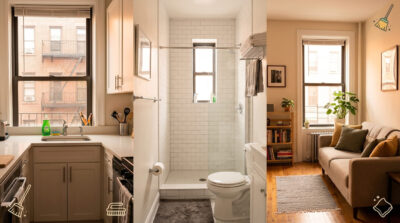
Walk into almost any vacation rental. Odds are the bathroom gets checked before the bedroom. Makes sense. People want reassurance. Clean sinks. Spotless mirrors. No toothpaste residue. Fresh towels. Toilets that genuinely look clean instead of quickly wiped.
One strand of hair inside the shower somehow carries the emotional weight of fifty. Nobody stops to wonder whether it came from housekeeping or plumbing, or thin air. They simply think “This wasn’t cleaned”.
Fair? Maybe not. Happens a lot, though.
Kitchens Tell Guests How Carefully the Apartment Was Prepared
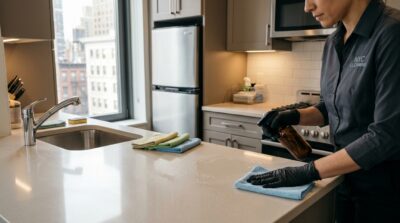
People open refrigerators. They inspect microwaves. They pull out coffee mugs. They check inside cabinets. It’s fascinating. Nobody does this inside their own house. Inside an Airbnb? Instant detective work.
Greasy cabinet handles. Crumbs inside drawers. Sticky shelves. Water spots on silverware. These tiny details quietly become evidence. Not of dirt — of effort. Guests aren’t only judging cleanliness. They’re also judging preparation.
Bedding Carries Emotional Weight
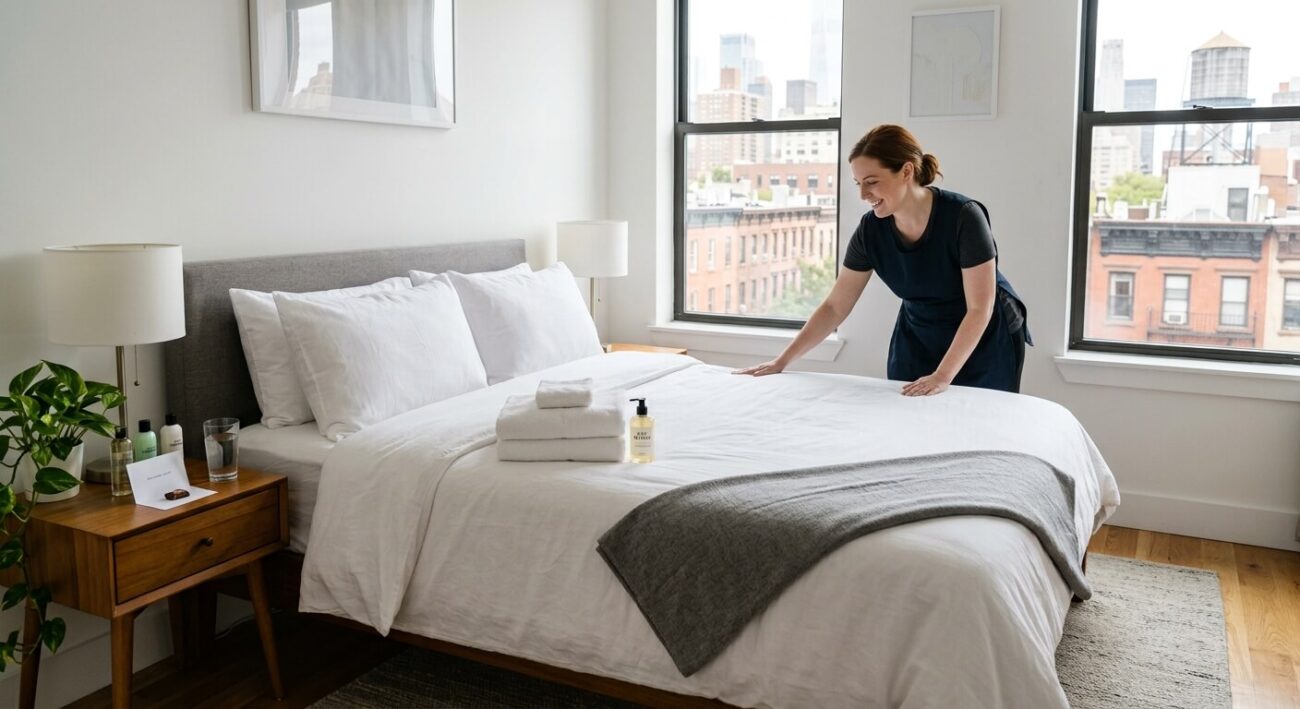
Fresh sheets don’t merely need to be clean. They need to feel clean. Wrinkle-free bedding. No lint, no lingering odors, no makeup traces. No mysterious stains that “came out of the wash but left a shadow”. Guests don’t know the story. Nor should they have to.
Beds create either immediate trust or immediate doubt. Very little middle ground.
Floors Reveal Everything
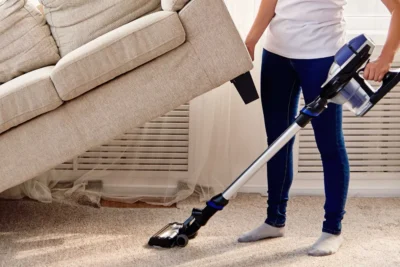
Bare feet become inspectors. People notice grit. Dust. Hair collecting beneath furniture. Sticky kitchen tiles. Dirty corners. They may never mention perfectly polished floors in a review.
Dirty ones? Different outcome. Especially in apartments flooded with afternoon sunlight.
Remote Controls and Light Switches
Odd little details. Frequently forgotten, often photographed. Remote controls, door handles, light switches, coffee machine buttons — guests touch them almost immediately.
They’re among the first physical interactions inside the apartment. First impressions rarely wait politely.
Windows and Mirrors Multiply Small Mistakes
One fingerprint becomes five. One streak suddenly reflects afternoon light across the entire room. Glass has an unfortunate habit of exaggerating neglect. Especially in New York apartments with large windows overlooking the city.
Views deserve clean glass. Not accidental abstract art.
Building a Turnover Routine That Fits a Tight Checkout-to-Check-In Window
This is where hosting stops feeling like hospitality and starts resembling air traffic control. Checkout at eleven. Next arrival at three. Maybe four. Laundry. Inspection. Cleaning. Restocking. Maintenance. Communication. Photography if something was damaged.
Every minute suddenly matters. Panic doesn’t help — systems do.
Start With Inspection, Not Cleaning
Interesting habit among experienced turnover teams — they don’t immediately grab the vacuum but inspect everything first: missing towels, broken lamps, forgotten chargers, damaged furniture, left-behind clothing, half-eaten pizza inside the oven because apparently that happens sometimes.
Inspection prevents surprises halfway through the cleaning process. Surprises consume time. Time is already running short.
Laundry Begins Immediately
Sheets, towels, kitchen linens, bath mats — get them moving first. Machines work while people clean. That’s free efficiency. Waiting until the apartment is spotless before starting laundry feels logical. It also wastes forty valuable minutes.
Buildings teach patience. Turnover schedules usually don’t.
Work Top to Bottom
Dust falls. Gravity remains wonderfully consistent. Ceiling fans. Shelves. Counters. Furniture. Floors last. A simple and remarkably effective strategy.
Cleaning floors before dusting bookshelves is a little like drying yourself before finishing the shower. Technically possible. Not particularly necessary.
Kitchens Need a Reset, Not a Touch-Up
Guests often cook more than hosts expect. Especially families. Every turnover should include appliance inspection. Microwave, refrigerator, coffee maker, toaster, dishwasher, sink, trash bins, cabinets, countertops — not because every guest leaves a mess but because eventually one will.
Probably after making spaghetti.
Bathrooms Require Extra Attention
Bathroom cleaning becomes strangely repetitive. That’s dangerous — routine invites assumptions.
Guests immediately notice soap residue, water spots, fingerprints, and hair that muscle memory quietly skips. Professional cleaners often perform one final bathroom inspection after finishing the apartment. Just to interrupt familiarity.
A clever little habit.
Finish With a Host Walkthrough
The cleaning may be complete. Verification still matters.
Open drawers. Check beneath beds. Turn on lights. Flush toilets. Test remotes. Stand in the doorway exactly where arriving guests will stand. Look around. That perspective changes surprisingly much.
It’s the closest thing to borrowing someone else’s first impression.
How a Dedicated Cleaning Partner Protects Your Rating During Back-to-Back Bookings
Hosting one apartment occasionally? Manageable. Three apartments with overlapping bookings? Different universe.
Professional cleaning starts becoming less of a luxury and more of an operational necessity.
Consistency Beats Heroic Effort
Hosts often clean wonderfully. Sometimes. Usually when energy, time, and schedules all cooperate. Businesses don’t rely on “sometimes”, though.
Professional turnover teams build consistency. The apartment receives the same attention after the fiftieth booking as it did after the first. That’s harder than it sounds.
People naturally become familiar. Familiarity skips details. Systems don’t.
Same-Day Turnovers Leave Little Margin
Back-to-back reservations create fascinating logistics. One guest checks out late. Traffic slows laundry delivery. A subway delay affects staffing. Meanwhile the next guest is already messaging from the airport asking if early check-in might be possible.
Hospitality occasionally feels like juggling while someone keeps adding oranges. Dedicated cleaning teams absorb much of that pressure through planning, staffing flexibility, and predictable routines.
Checklists Prevent Memory From Taking Over
Memory is optimistic. Checklists are honest. Professional turnover crews rarely rely entirely on experience — they verify instead. Kitchen stocked. Bathroom complete. Linens replaced. Trash removed. Wi-Fi card visible. Coffee supplies replenished. Windows checked. Final inspection finished.
Tiny confirmations prevent surprisingly expensive reviews.
Damage Gets Reported Quickly
Cleaning professionals notice things hosts often learn about days later. Broken chair leg. Water leak beneath the sink. Burn mark on the countertop. Loose cabinet hinge. Cracked window blind. Earlier reporting means earlier repairs.
Guests appreciate maintained apartments. Mostly because they never have to notice the maintenance itself.
Inventory Quietly Stays Under Control
Soap, coffee, paper towels, toilet paper, dishwasher pods, shampoo — these items disappear gradually until they don’t exist anymore. Professional turnover routines include restocking before shortages become guest complaints.
Running out of toilet paper at midnight creates memorable reviews. Unfortunately.
Ratings Grow Through Predictability
People imagine five-star cleanliness comes from extraordinary cleaning. Usually it comes from ordinary cleaning performed extraordinarily consistently. Every stay. Every guest. Every turnover. No shortcuts because the next reservation arrives in two hours. No skipped inspection because “it looked fine”.
Predictability builds reputation. Reputation builds bookings. Bookings build the business.
Conclusion
When people search “Airbnb turnover cleaning NYC” they expect to get services which are about cleaning smarter while the clock keeps moving. Every turnover follows a rhythm — inspection, laundry, detailed cleaning, restocking, verification. Skip one step and the next guest often discovers exactly what was missed before the host ever does.
Maintaining a 5 star cleanliness rating rarely depends on expensive furniture or luxury finishes. Guests remember spotless bathrooms, fresh linens, clean kitchens, polished floors, and the quiet feeling that someone genuinely prepared the apartment for their arrival instead of simply hoping yesterday’s guest wasn’t too messy.
That’s where dependable same day Airbnb cleaning becomes such a valuable part of short-term rental success. Tight booking windows leave almost no room for improvisation. Professional systems, detailed checklists, and consistent execution keep apartments guest-ready even when checkout and check-in seem almost unreasonably close together.
The funny thing about Airbnb reviews is that people often think they’re written after the vacation. In reality they’re usually decided during the first five minutes. The suitcase rolls through the front door. The guest opens the bathroom. Pulls back the duvet. Looks inside the refrigerator. Runs a finger across the coffee table almost without thinking. Tiny moments. Almost invisible. Yet somehow powerful enough to shape the paragraph they’ll write three days later.
The cleaning happened before they arrived. The rating begins the instant they walk in.