The connection between a clean home and good health gets treated as obvious — everyone nods along when someone says a tidy apartment is a healthier apartment. But obvious isn’t the same as understood. Most people have a vague sense that dirt is bad and clean is better without a clear picture of what’s actually happening and why it matters.
It turns out the connection is real, specific, and more consequential than most people account for. Not in a way that requires anxiety about dust on the windowsill or a single unwashed dish in the sink. But the cumulative effect of a consistently clean living environment on physical and mental health is documented, measurable, and worth taking seriously — especially in New York City, where the conditions that make home environments challenging are working harder than average.
Here’s what the research and practical experience actually show.
The Air Inside Your Apartment
The first thing worth knowing: indoor air quality is frequently worse than outdoor air quality, including in a city like New York.
This surprises people. The assumption is that outdoor air in a dense urban environment is the problem and home is the refuge. In reality, homes accumulate airborne contaminants that don’t have anywhere to go. Dust mite allergen proteins, mold spores, pet dander, volatile organic compounds off-gassing from furniture and building materials, combustion byproducts from gas stoves, and particles tracked in from outside all concentrate in the enclosed volume of an apartment. Without consistent ventilation and cleaning, these build up over time.
The EPA estimates that indoor air is typically two to five times more polluted than outdoor air. In homes with specific issues — mold, heavy pet presence, gas appliances without adequate ventilation, older building materials — that ratio can be higher.
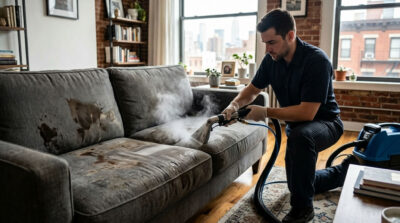
The practical consequences range from mild to significant. Dust mite allergens and mold spores trigger allergic reactions and worsen asthma. Fine particulate matter, absorbed into soft surfaces and recirculated by foot traffic and HVAC systems, irritates respiratory passages. VOCs from paints, adhesives, and synthetic materials affect air quality in ways that are harder to observe but real in aggregate.
Regular cleaning directly addresses this. Vacuuming with HEPA filtration captures fine particles from floors and upholstery rather than redistributing them. Damp dusting removes particulate from surfaces instead of pushing it airborne. Washing bedding removes the allergen reservoir that builds up in fabric over time. Ventilating kitchens and bathrooms removes moisture and combustion byproducts. The cumulative effect of these habits on the air you breathe every day is meaningful.
What High-Touch Surfaces Actually Do
The kitchen counter gets wiped. The stovetop gets cleaned after cooking. These are the obvious surfaces. What gets less attention is the network of frequently touched surfaces throughout an apartment that accumulate and transfer pathogens with reliable efficiency.
Door handles, light switches, faucet handles, cabinet pulls, remote controls, phone surfaces, keyboard and trackpad surfaces, toilet flush handles, refrigerator doors — these are touched dozens of times a day by every person in the household. They’re rarely included in standard cleaning routines because they don’t look dirty. They often aren’t visibly dirty. But bacterial and viral loads on these surfaces are typically far higher than on surfaces that receive regular cleaning attention.
Research on respiratory virus transmission consistently identifies hand-to-surface-to-hand contact as a significant pathway. A person sneezes into their hand and touches a light switch. Someone else touches the same switch twenty minutes later and then touches their face. The surface served as the intermediate step. Regular disinfecting of high-contact points breaks this chain before it completes.
This matters most during the periods when respiratory illnesses are circulating — which in New York City apartment buildings, with shared elevators, lobbies, and laundry facilities, is most of the year. Consistently maintained high-touch surfaces reduce transmission risk in ways that are straightforward and don’t require elaborate precautions.
Kitchens carry a specific bacterial concern beyond general contamination. Raw meat, poultry, and seafood introduce pathogens — particularly Salmonella, Campylobacter, and E. coli — onto surfaces they contact. Cutting boards, sink basins, faucet handles, and counter areas near the sink have higher bacterial loads than most other household surfaces when they receive only surface attention. Proper kitchen cleaning includes disinfecting these areas after food preparation, not just wiping visible residue.
Sleep and the Bedroom Environment
Sleep quality affects essentially every other aspect of health. Cognitive function, immune response, metabolic regulation, cardiovascular health, mood stability — all of them depend on adequate, high-quality sleep. This is well established.
What’s less commonly considered is how directly the physical environment of a bedroom affects sleep quality.
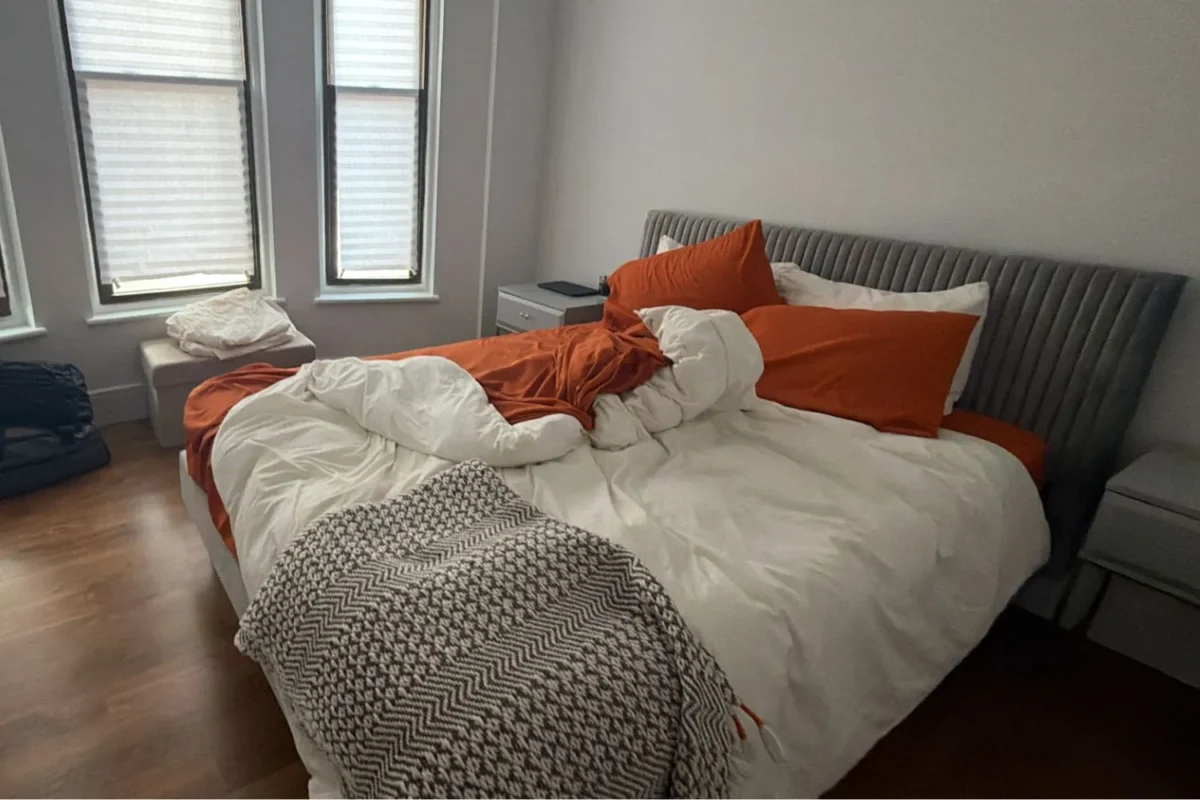
Dust mite allergen concentration in mattresses and bedding is among the highest in any part of the home. For people with dust mite sensitivity — roughly 20 million Americans — sleeping in an environment with high allergen levels means disrupted breathing, nasal congestion, and fragmented sleep throughout the night. The allergy symptoms are mild enough that people often don’t attribute disrupted sleep to the bedroom environment; they assume they’re just light sleepers, or stressed, or tired for unrelated reasons.
Visual clutter in a bedroom has a measurable effect on the ability to fall asleep and achieve restful sleep. Research from the Sleep Foundation and various psychology studies shows that people in visually disordered spaces report higher stress and longer sleep latency — the time it takes to fall asleep after lying down. The bedroom is supposed to be a space the brain associates with rest. When it’s filled with unresolved visual demands, that association is weaker.
A consistently clean and organized bedroom — fresh bedding, clear surfaces, absence of the clutter that makes the room feel like an extension of the day rather than a break from it — directly supports better sleep. Better sleep supports better everything else.
The Mental Health Connection Is Real
This one tends to get dismissed as soft — the idea that a clean home makes you feel better mentally sounds like lifestyle branding rather than health information. But the research is specific and consistent enough to take seriously.
Studies on the relationship between home environment and cortisol levels — cortisol being the primary stress hormone — show that people in cluttered or disordered home environments have chronically elevated cortisol compared to people in more organized spaces. The effect is particularly pronounced for women, though it appears across all groups. The mechanism isn’t entirely understood, but the current thinking is that visual disorder creates a persistent low-level demand on attentional resources. The brain processes the environment continuously and interprets unresolved disorder as unfinished tasks — things that need doing, problems that haven’t been resolved.
This background processing is exhausting. It doesn’t feel dramatic. It accumulates.
The result is that people in consistently messy or dirty environments report higher baseline stress, more difficulty relaxing at home, worse mood, and more fatigue — not because of any dramatic stressor but because the environment is continuously creating low-level cognitive demand. The home is supposed to be a place to recover. When it functions as a source of low-grade stress instead, the recovery doesn’t happen as effectively.
A clean and organized space removes this. Not because cleanliness has magical properties, but because visual order signals to the brain that the environment is managed, tasks are complete, and it’s safe to actually rest.
In New York City specifically, where the external environment is relentlessly stimulating and the pace of daily life is genuinely demanding, this matters more than in quieter contexts. The apartment is often the only environment a person controls entirely. When it provides genuine psychological relief rather than adding to the load, that’s a real health benefit.
Mold: The Health Risk Hidden in Plain Sight
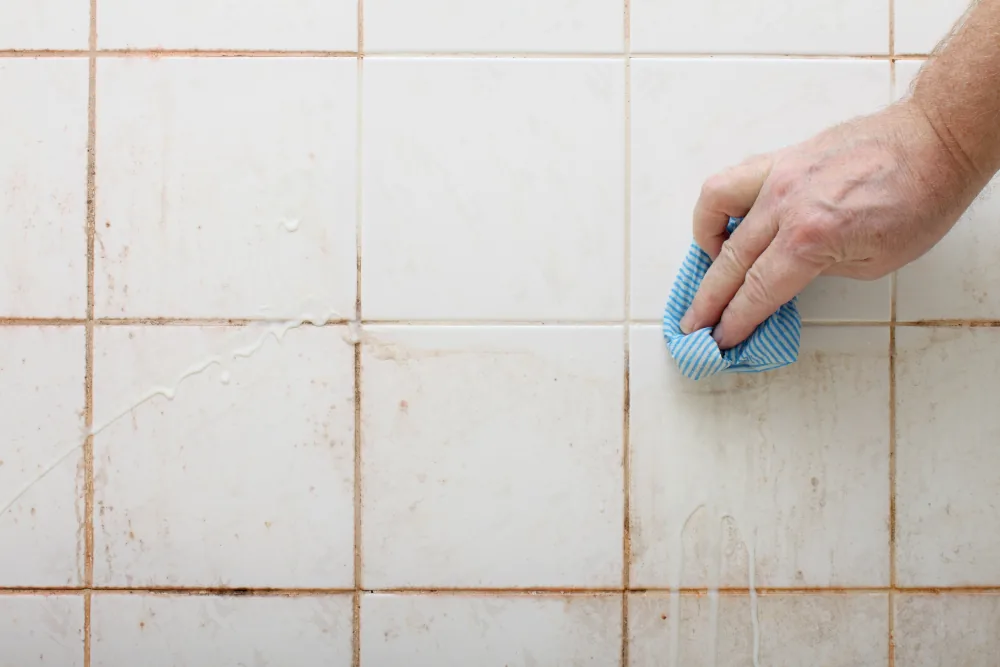
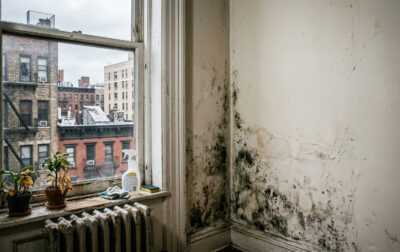
Mold is discussed in the context of home maintenance but underweighted as a health issue. In New York City apartments, it deserves more serious attention.
NYC’s combination of aging building stock, variable ventilation, building density, and the particular humidity patterns of a coastal city creates conditions where mold develops frequently. Bathrooms without working exhaust fans. Walls adjacent to plumbing with slow leaks. Window frames in older buildings where condensation accumulates. Spaces under sinks where minor leaks go unnoticed. Basement and ground-floor apartments with humidity that comes up through the structure.
Mold spores become airborne and are inhaled continuously in affected spaces. The health effects range across a significant spectrum. At the mild end: nasal congestion, eye irritation, coughing, headaches. For people with mold allergies or asthma, symptoms are more pronounced and can include significant respiratory distress. For immunocompromised individuals, certain mold types present serious health risks.
The problem is that mold is often invisible or nearly so in its early stages, and the symptoms it produces are easy to attribute to other causes. Someone who develops a persistent cough in their apartment may cycle through explanations — seasonal illness, allergies, dryness from heating — without considering that mold in the bathroom or behind a wall is the actual driver.
Prevention is straightforward: control moisture, ventilate actively, address any water intrusion or leak immediately, and clean visible mold on non-porous surfaces promptly with appropriate products. Any mold that appears to be growing behind walls, on insulation, or in areas that suggest a persistent moisture source behind the surface requires professional assessment — surface cleaning doesn’t address mold that has penetrated into building materials.
Pests and What They Actually Represent
In New York City, cockroach allergens are a documented and significant public health issue — one that receives nowhere near the attention it deserves in general health conversations.
Studies conducted specifically in NYC apartment buildings have found cockroach allergen proteins in a substantial proportion of units, including buildings that show no visible cockroach activity. The allergen is present in dust, on surfaces, and in the air of affected buildings, persisting long after any actual infestation has been addressed. For children especially, cockroach allergen exposure is strongly associated with asthma development and severity.
Rodents carry a different set of concerns: Hantavirus, Leptospirosis, and Salmonella are among the diseases associated with rodent presence, through direct contact with droppings, urine, or contaminated surfaces.
Clean kitchens — food stored in sealed containers rather than left accessible, surfaces wiped free of grease and crumbs, garbage managed consistently — remove the primary attractants. This isn’t foolproof in a building context where pest activity in other units can migrate, but it significantly reduces the likelihood of sustained infestation in any individual apartment. A kitchen that provides food sources will be revisited. One that doesn’t, generally, won’t.
Physical Safety: The Underappreciated Dimension
Household injuries are more common than most people account for, and home environment is a direct contributing factor.
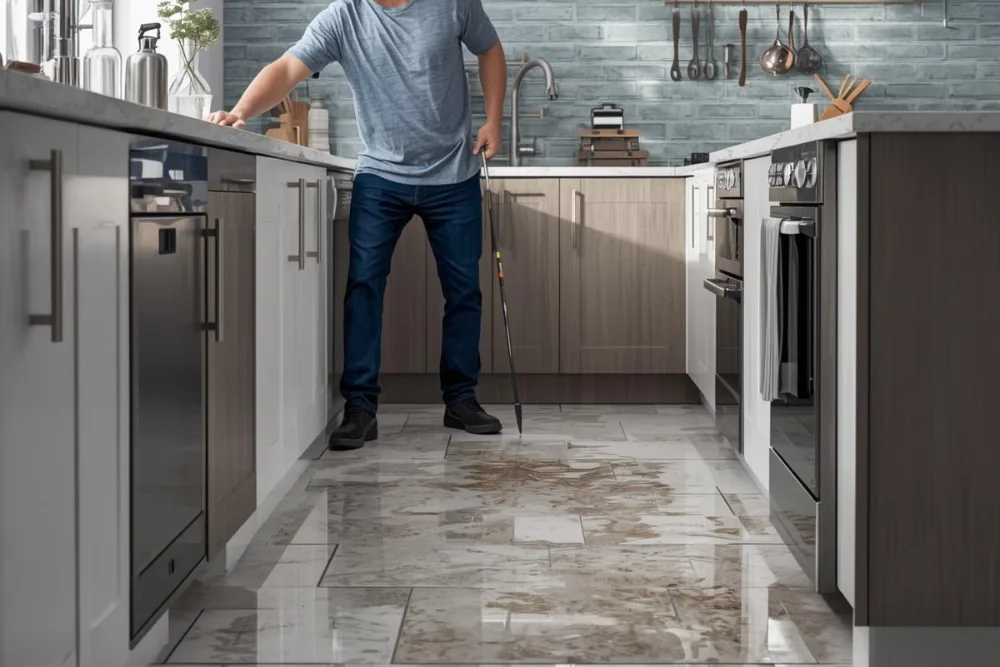
Falls are the leading cause of injury-related emergency department visits in the United States. In homes, the contributing factors include clutter on floors, wet surfaces without non-slip surfaces, poor lighting (partly addressable by not allowing burned-out bulbs to persist), and items stored in unstable configurations. Older adults are at significantly elevated risk from these factors, but they apply across age groups.
Kitchens present specific hazards: grease buildup on stovetops and floors is a fire risk and a slip risk. Accumulated clutter near stoves is a fire hazard. Blocked exits — even partial blockage from stored items — become dangerous in emergencies.
These are preventable risks. Regular cleaning that includes floors, stovetop maintenance, and storage organization isn’t just about appearance — it’s addressing genuine safety conditions.
The Immune System: Too Clean Is a Real Concept, But Not in the Way People Think
The “hygiene hypothesis” — the idea that exposure to microorganisms during childhood supports immune system development, and that excessively sterile environments may contribute to allergy and autoimmune condition prevalence — is real and reasonably well-supported by research.
But it’s frequently misapplied.
The relevant exposures in the hygiene hypothesis are outdoor environments, contact with soil, animals, and diverse microbial communities — not the bacterial load on kitchen counters or the grime in bathroom grout. No immunologist is recommending that people leave their homes unclean in order to support immune development. The beneficial exposures are fundamentally different from the household pathogens that regular cleaning addresses.
A clean home and a diverse immune environment are not in conflict. Children who grow up in clean homes can and do spend time outdoors, in parks, with animals, in environments that provide the microbial diversity relevant to immune development. The suggestion that cleaning your apartment compromises your immune system is a misread of the research.
What Consistent Cleaning Actually Changes
The health benefits of a clean home aren’t delivered by any single cleaning session. They accumulate through consistency.
A one-time deep clean improves conditions significantly and resets the baseline. But it doesn’t maintain air quality, control allergen levels, prevent microbial buildup on high-touch surfaces, or keep moisture-prone areas from developing mold. Those outcomes require ongoing maintenance at appropriate frequency.
This is the practical case for regular cleaning schedules rather than episodic effort. The apartment that’s cleaned weekly holds a lower allergen load, lower bacterial count on key surfaces, lower mold risk, and lower particulate concentration than one cleaned monthly — even if the monthly clean is more thorough. Frequency matters because the things being managed — biological growth, dust accumulation, moisture — are continuous processes that don’t pause between cleaning sessions.
The health differential between a well-maintained apartment and a neglected one isn’t theoretical. It shows up in how often household members get sick, how well they sleep, how clearly they think, how rested they feel at home, and how much respiratory and allergic discomfort they experience in daily life.
None of that requires a spotless apartment in the magazine sense. It requires consistent attention to the things that actually affect health — surfaces, air quality, moisture, and the kind of organized environment that lets people genuinely rest when they’re home.
In a city that doesn’t slow down on its own, that might be the most practical investment in health available.
Get Your Custom Cleaning Quote — Free
Every NYC apartment is different. Get pricing tailored to your space in minutes.
Get My Free Quote