There are certain things in New York apartments that seem to age faster than physics should allow. Bathroom grout is one of them.
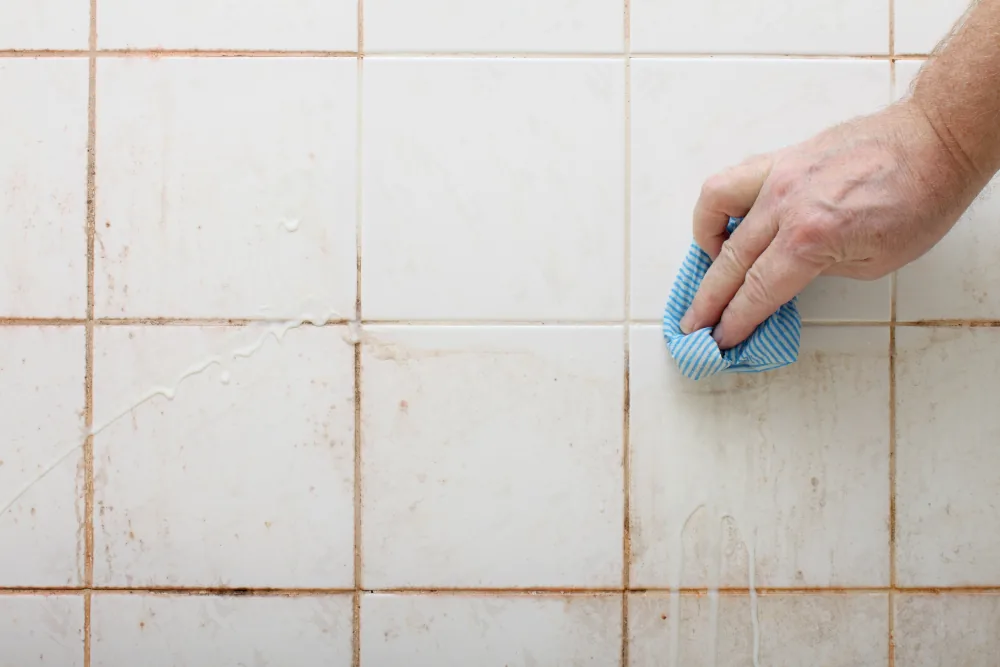
You move into a place. The tile looks fine. Maybe not spectacular. Fine. Six months later, the grout lines have started collecting discoloration from somewhere. A year later, they’re several shades darker. By year three, you’re standing in the bathroom holding a scrub brush and wondering whether grout naturally comes in charcoal gray or if you’re looking at fifteen years of accumulated soap residue.
Probably the second one.
If you’ve been searching “how to clean tile grout NYC bathroom” online, you’re asking a common question. Owners of apartments, co-ops, and condos across the city run into the same issue. Small bathrooms. Limited ventilation. Steam that seems to linger forever. Water that leaves behind mineral deposits in places nobody invited it.
And grout, unfortunately, is a sponge pretending to be a building material.
Let’s take a closer look at the real differences between DIY cleaning and hiring a professional. Because sometimes a toothbrush is enough. Sometimes it absolutely is not. The challenge is knowing which situation you’re dealing with before spending three hours crouched beside a bathtub.
Why NYC Bathroom Grout Gets Dirty So Fast
The short answer is moisture.
The slightly longer answer is moisture mixed with soap, dust, body oils, hard water minerals, cleaning product residue, humidity, and whatever else happens to be floating through a building that’s been standing since 1963.
Grout is porous. That’s the entire problem.
Tile usually has a protective surface. Grout does not. Every shower, every splash from the sink, every humid summer afternoon creates another opportunity for contaminants to work their way below the surface.
And once they get there, things become more complicated, especially in older buildings.
Sometimes the grout is dirty. Sometimes it’s stained. Sometimes you’re looking at residue that has survived multiple owners, two bathroom remodels, and at least one questionable decorating era.
Different problems. Different solutions.
Common causes of grout discoloration include:
- Soap buildup
- Mold and mildew
- Hard water staining
- Dirt trapped inside porous grout
- Mineral deposits
- Cleaning product residue
Oddly enough, over-cleaning can sometimes contribute to the problem. People attack grout with harsh chemicals, damage the surface, and then wonder why it starts staining faster afterward. It’s a bit like sanding holes into an umbrella and being surprised when rain gets through.
DIY Grout Cleaning: When It Actually Works
Let’s be fair — not every grout problem requires professional intervention.
If the staining is relatively light and you’re consistent about maintenance, a DIY approach can guarantee decent results. Maybe even perfect ones.
The key word there is “maintenance”.
People often expect one thorough cleaning session to erase years of neglect. Bathrooms don’t negotiate like that.
Method 1: Baking Soda Paste
Simple. Cheap. Surprisingly effective.
Mix baking soda with water until it forms a thick paste. Apply it directly to grout lines and allow it to sit for about fifteen minutes.
Then scrub. Not aggressively. You’re cleaning grout, not excavating a subway tunnel. Rinse thoroughly afterward.
This method works best when discoloration is sitting near the surface.
Method 2: Vinegar Solution
A mixture of equal parts vinegar and water can help loosen soap scum and mineral buildup.
Spray the grout. Wait. Scrub gently. Rinse completely.
One exception deserves mention because it saves expensive mistakes: never use vinegar on natural stone tile. Marble, for example, reacts about as enthusiastically to acid as an iPhone reacts to being dropped into a swimming pool.
Method 3: Oxygen-Based Grout Cleaners
These products typically penetrate deeper than basic household solutions.
For apartment owners dealing with moderate staining, oxygen-based cleaners often represent the practical middle ground between household remedies and a full professional grout cleaning NYC service.
Not miraculous. Useful. There’s a difference.
The Part Nobody Likes Hearing
DIY cleaning has limits. Quite strict limits, actually.
A lot of homeowners assume they are looking at dirt when they are really looking at permanent staining, embedded contamination, damaged grout, or mold growth beneath the surface.
At that point, scrubbing becomes an activity rather than a solution. You feel productive. The grout remains unimpressed. This is usually where professional services enter the picture.
A quality tile grout cleaning service Manhattan residents trust uses commercial-grade equipment designed to reach below the surface layer where household products stop being effective.
That’s the distinction that matters. Not stronger chemicals. Deeper cleaning. Because the problem is often deeper. Literally.
When Professional Cleaning Makes More Sense
There are a few signs that indicate it may be time to stop experimenting and call professionals.
For example:
- Grout still looks dark after repeated cleaning attempts
- Mold keeps returning
- Stains reappear within days
- Large tiled areas need restoration
- Grout hasn’t been professionally cleaned in years
- You’re preparing a property for sale
A grout cleaning apartment New York project can also become more complicated than people expect. Small spaces create access challenges. Older materials require careful handling. Co-op boards occasionally have their own requirements regarding service providers and scheduling.
New York has a unique ability to make ordinary tasks slightly more complicated than they would be anywhere else.
It’s almost charming. Almost.
What Happens During Professional Grout Cleaning?
A reputable professional cleaning company does much more than scrub tile. The process usually begins with an inspection.
Technicians assess:
- Tile material
- Grout condition
- Existing damage
- Mold concerns
- Areas of severe staining
From there, specialized equipment removes contaminants embedded deep within the grout structure.
The difference can be dramatic.
Not because the professionals know a secret. Construction rarely involves secrets. Mostly it involves equipment. Equipment and experience. Sometimes coffee.
Professional cleaning is also commonly followed by grout sealing, which helps reduce future moisture absorption and slows down the staining process considerably. That protective layer often becomes the difference between grout staying clean for months versus looking worn again after a few weeks.
And that matters in a city where people already have enough maintenance projects competing for their attention.
Conclusion
Understanding how to clean tile grout properly means recognizing when a problem is superficial and when it has moved beyond what household cleaning methods can realistically address.
For light staining, DIY cleaning can work well. For deep discoloration, recurring mold, years of buildup, or extensive tile surfaces, calling the professionals like Cleaning Chief is usually the faster and more effective option.
The goal isn’t simply making grout look cleaner for a few days. The goal is restoring it properly. If your bathroom grout still looks stained after repeated cleaning attempts, professional help may be the most practical next step.
Cleaning Chief provides professional grout cleaning NYC services for apartments, condos, and co-ops throughout the city. Whether you need routine maintenance, deep restoration, or a complete cleaning solution, our team delivers lasting results using specialized equipment and proven cleaning methods.
Reach out and schedule your appointment today.
Get Your Custom Cleaning Quote — Free
Every NYC apartment is different. Get pricing tailored to your space in minutes.
Get My Free Quote